

Interior Design Trends in Switzerland in 2026
In 2026, interior design is undergoing a decisive shift. Sterile spaces and interchangeable neutral palettes are giving way to interiors with genuine character — authentic materials that create atmosphere, wooden furniture chosen for what it expresses, and accessories and ceramics selected for their symbolic value.
In Switzerland, this evolution carries particular significance. Designing an interior is no longer simply a matter of decoration. Whether in a living room, kitchen, bathroom, or home office, creating an ambiance that truly reflects a way of life has become both an expectation and an aspiration — whether in a lakeside villa, an alpine chalet, or a prestigious commercial space.
In this guide, we share our on-the-ground perspective on the major design trends for 2026 — raw and tactile materials, terracotta and deep-toned palettes, biophilic design, and multifunctional spaces centered around well-being — along with practical advice on how to bring genuine inspiration to your project and give each room a truly unique identity.
Key Takeaways
- In 2026, interiors become narratives: every space reflects the identity of those who inhabit it, not a generic trend.
- The defining materials are natural and tactile: dark solid wood, natural stone, lime render, linen, wool.
- The colour palette is built around two axes: warm earthy base tones (sage green, terracotta, chocolate brown) and deep accent colours (burgundy, plum, teal).
- Wellbeing is now a design criterion in its own right: circadian lighting, healthy materials, restorative spaces, and a genuine connection to nature.
- Bespoke furniture is establishing itself as a key differentiator: where off-the-shelf uniformises, a custom-designed piece gives each space its own distinct identity.
- Two aesthetics are dominant: Cosy Minimalism (warmth, restraint) and Neo Deco (geometry, brass, strong visual identity).
- In Switzerland, the SIA methodology ensures that the initial design vision is faithfully carried through to completion.
2026 Interior Design Embraces Individuality
From Catalogue Aesthetics to Narrated Spaces
A few years ago, creating an on-trend interior was as simple as opening a magazine or scrolling through Pinterest: light oak, polished concrete, grey sofa, house plant. That formula has run its course.
Pinterest Predicts, the Archiproducts report and observations from Swissbau 2026 all point to the same conclusion: interiors are becoming narratives. Every space tells the story of those who inhabit or animate it. Strong patterns, objects chosen for their symbolic value, materials that carry history — all of this is replacing generic decoration.
This shift translates into concrete design choices. Materials with character — naturally textured wood, raw stone, patinated metal, washed linen — bring a depth and authenticity that smooth surfaces simply cannot offer. Bespoke furniture is no longer reserved for exceptional projects: when integrated from the design phase, it becomes the element that gives a space its own identity and sets it apart from any generic interior. A coffee table conceived specifically for a room, an armchair designed around a particular quality of light, a storage unit built into the wall structure — each piece contributes to a coherent, singular atmosphere.
Vintage pieces and objects with history also play a central role. A retro chair, a collector’s lamp, a graphically patterned rug inherited from another era — these elements bring a narrative warmth that new pieces alone cannot recreate. Combined with contemporary accessories, handcrafted ceramics or cushions in natural fibres, they create the layered aesthetic that defines the most inspiring interiors of 2026.
This is not a stylist’s whim. It is a profound response to an era saturated with images and uniformity. When everything looks the same online, the physical experience of a real space — its texture, its warmth, its silence — regains an immeasurable value.
What This Means in Practice for Your Project
For a homeowner renovating a villa on Lake Geneva, or an investor opening a boutique in Geneva, the message is clear: your space must reflect who you are, not replicate a generic design trend. Creating an interior with genuine character starts with knowing what you want it to say — and working with professionals capable of translating that vision into concrete decisions around materials, furniture and atmosphere. In Switzerland, architects and designers who follow the SIA methodology embed this thinking from the very first strategic phase, long before a single piece of furniture is selected.
Materials of 2026 — A balance of Authenticity and Functionality
Wood, Stone, Smoked Glass and Patinated Metal: the Return of the Tactile
The materials defining 2026 all tell the same story: a return to real, imperfect, living matter. Surfaces that are too smooth, too perfect, are disappearing in favour of raw materials with genuine character — materials you feel as much as you see.
Wood is asserting itself in dark solid form: walnut, mahogany, deep-grained species with visible figuring and matte or oiled finishes. Light Scandinavian oak is giving way to warmer, denser woods that age well and grow more beautiful over time. Whether on walls, floors or in furniture, it remains the reference material for creating spaces that feel both contemporary and authentic.
Natural stone is appearing everywhere: kitchen worktops, living room feature walls, bathroom surfaces. Its irregularities — veining, tonal variation, surface texture — are now celebrated rather than corrected. Paired with wood, it creates the organic visual continuity that characterises high-end interiors in 2026.
Reeded or smoked glass brings a soft, filtered transparency that plays with natural light without ever extinguishing it. It appears in internal partitions, kitchen cabinet fronts and lighting fixtures — wherever there is a need to divide a space without weighing it down.
Patinated or matte metals complete this material palette: aged brass, brushed copper, patinated steel. Used with precision — a cabinet handle, a coffee table leg, a sculptural light fitting — they bring visual depth without decorative excess.
Finally, raw earth and natural renders are establishing themselves in wall finishes for their thermal qualities and organic aesthetic. A raw earth wall, a lime-washed surface or a carefully worked polished concrete — these finishes give each room a presence that standard paint simply cannot match.
What is remarkable is that these materials do not represent a step backwards. They benefit today from a precision of execution that is entirely new. A natural render can be just as technically rigorous as a marble cladding — and far more expressive.
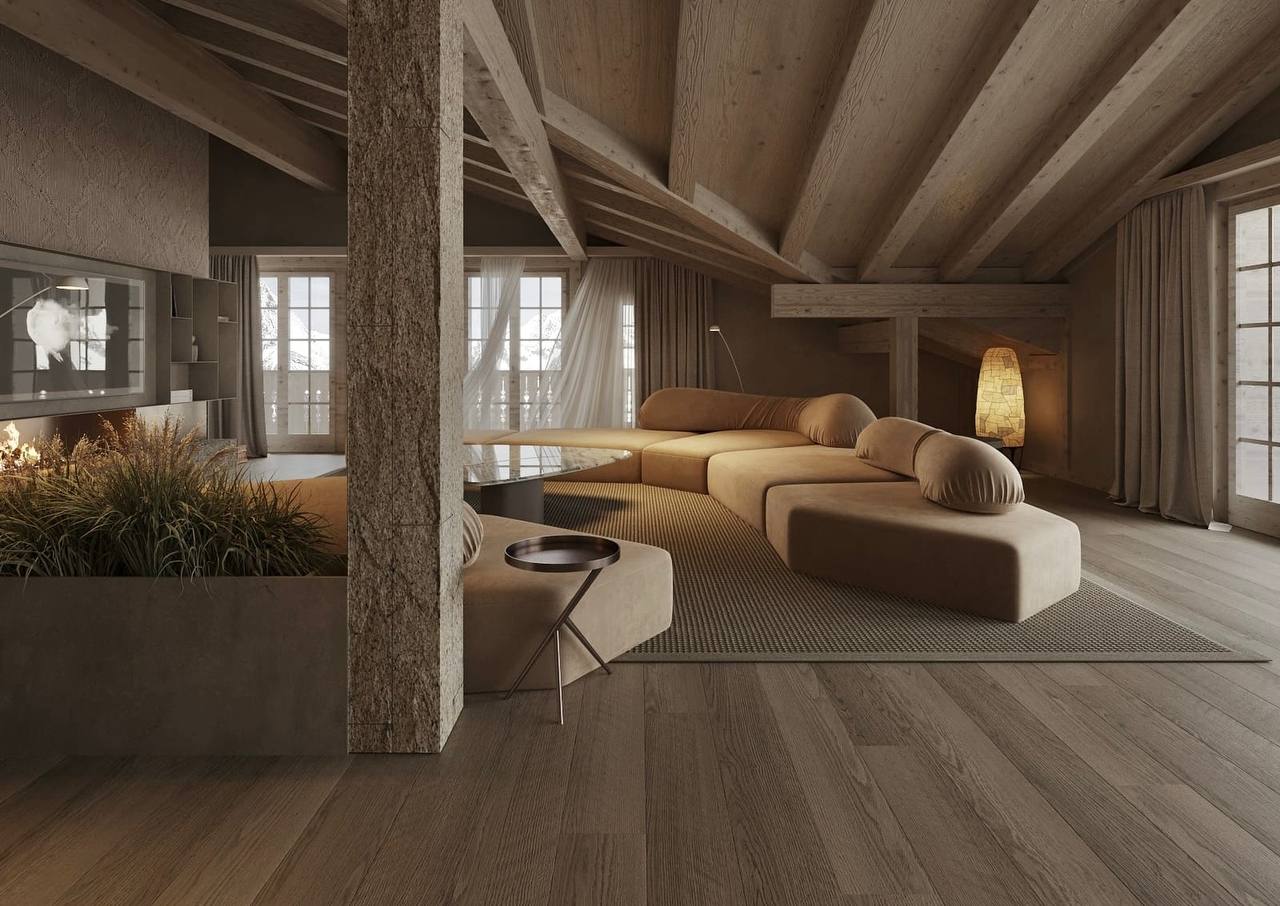
Chalet Gstaad — wood, stone and brass at the intersection of alpine tradition and contemporary design.
Sustainable Materials: Constraint or Design Opportunity?
Sustainability is no longer a communication argument — it is a design criterion in its own right. In 2026, the most sustainable materials are also the most desirable: they are aligned with a logic of longevity — less replacement, less waste, more meaning attached to every choice.
In Switzerland, where environmental standards are among the highest in Europe, this trend aligns naturally with what is expected of any construction or renovation project. Certified local timber, natural stone cladding, linen, wool and natural renders allow spaces to be conceived that age well — and increase in value over time, both aesthetically and as assets.
Choosing sustainable materials is also choosing not to have to redo everything in five years. It is a design decision as much as an economic one.
2026 Interior Colour Trends — Depth and Spaciousness
From Earthy Tones to Deep Accents: the Full 2026 Palette
The 2026 colour palette is rich, nuanced and built across several layers — from base tones to accents, from structural foundations to defining touches of character.
Earthy and natural tones form the base of quality contemporary interiors. Moss green, sage and olive bring calm and balance. Chocolate brown and cocoa tones warm walls and furniture, definitively replacing the cool greys that dominated the previous decade. Terracotta and rust reds evoke nature, warmth, an authentic sense of cocoon.
Deep tones assert themselves as confident accents: soft teal — named as a key colour by WGSN & Coloro — brings a vibrant serenity to bedrooms and living rooms. Plum and burgundy define spaces with a strong character, ideal for high-end commercial projects or living spaces where a memorable atmosphere is the goal. Emerald and petrol greens, used on feature walls or in mural wallcoverings, transform the mood of an entire room.
Warm neutrals and soft pastels are replacing cold whites and standardised greys. Warm beige, sand, ochre, airy white — these tones serve as a luminous base that amplifies natural materials and allows the textures of wood, linen or stone to express themselves fully. Discreet pastels — powder blue, dusty rose, soft lavender — bring a delicate softness to bedrooms and rest spaces.
Finally, vivid and contrasting accents bring life and personality: pistachio, lemon yellow, touches of chrome or patinated gold on a light fitting or armchair. These colours do not cover a room — they punctuate it, give it room to breathe, and provide that extra dimension that distinguishes a decorated interior from one that is truly lived in.
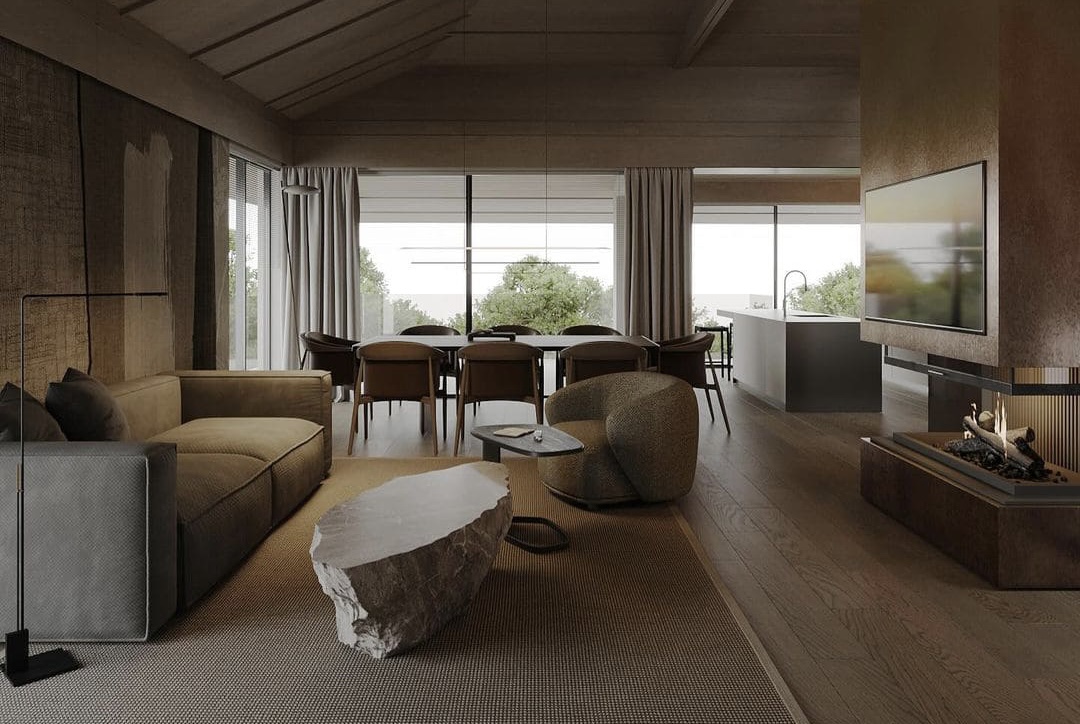
Villa Saint-Prex — natural stone, metal and dark wood for a warm, brutalist atmosphere
How to Integrate These Colours in a High-End Project?
The key is not to choose the trend colour and apply it everywhere. It is to understand how a colour behaves in a given space — depending on its aspect, surface area and the materials surrounding it. The same sand tone in a north-facing room and in a sun-drenched one will produce a completely different result. Burgundy on a living room wall with dark solid parquet tells an entirely different story from the same tone in a kitchen that opens onto a garden.
An experienced interior architect analyses these parameters from the outset, during the preliminary design phases, to ensure that the chosen colours genuinely create the intended atmosphere — and remain coherent and timeless rather than merely fashionable for a season. Embracing a 2026 colour palette is a long-term investment, not a decorative gesture.
Well-being: A New Priority in Interior Design in 2026
In 2026, designing an interior goes beyond selecting beautiful materials and the right colours. Interior design is becoming a tool in service of physical and mental wellbeing — a living environment that actively supports those who inhabit it. This new expectation is reshaping design priorities, from lighting to materials, and from spatial organisation to the relationship with nature.
Lighting and Circadian Rhythm: Designing with Light
Natural light has always been a quality criterion in high-end projects. In 2026, it has become a health criterion. Research into circadian rhythm — the natural biological cycle that regulates energy, sleep and mood — has profoundly influenced the way interior architects approach lighting.
The principle is simple: in the morning, cool and bright light stimulates alertness and concentration. In the evening, warm and dimmed light prepares the body for rest. In a well-designed interior, these transitions happen naturally — through the orientation of rooms, the sizing of openings, and adjustable lighting systems that adapt to each moment of the day.
In a contemporary villa or high-end apartment, this requires carefully considered solutions right from the design stage orienting living spaces towards morning light, selecting fixtures with adjustable colour temperature, integrating linen or fine fabric voiles to filter light without eliminating it. Details that appear discreet but profoundly transform everyday comfort.
Natural Materials and Restorative Spaces
The trend towards natural materials connects here to a new dimension: that of health. In 2026, sustainable materials are no longer chosen solely for their aesthetic or longevity — they are chosen because they contribute to a healthy interior environment. Untreated wood, natural renders, low-VOC paints, textiles in linen, wool or natural cotton — these choices reduce exposure to chemical compounds and improve indoor air quality.
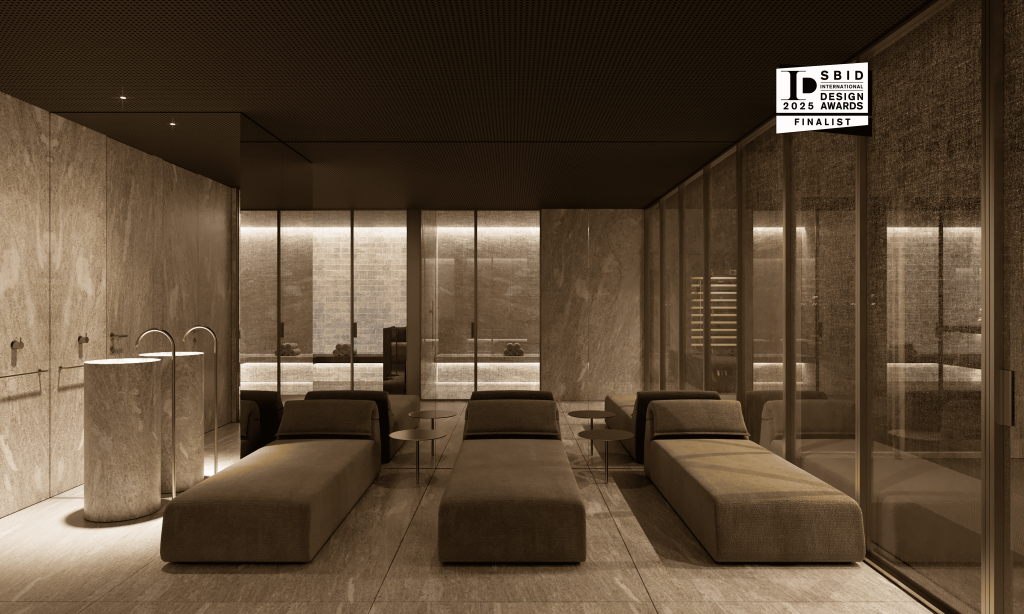
This thinking extends into the design of restorative spaces — not in the sense of renovation, but of genuine recovery. Contemporary interiors are increasingly incorporating spaces dedicated to relaxation and recuperation: enveloping reading corners with deep armchairs and soft rugs, bathrooms conceived as private spas with natural stone and subdued lighting, meditation or yoga spaces within high-end villas and chalets. These spaces allow people to disconnect, breathe and recharge — without leaving home.
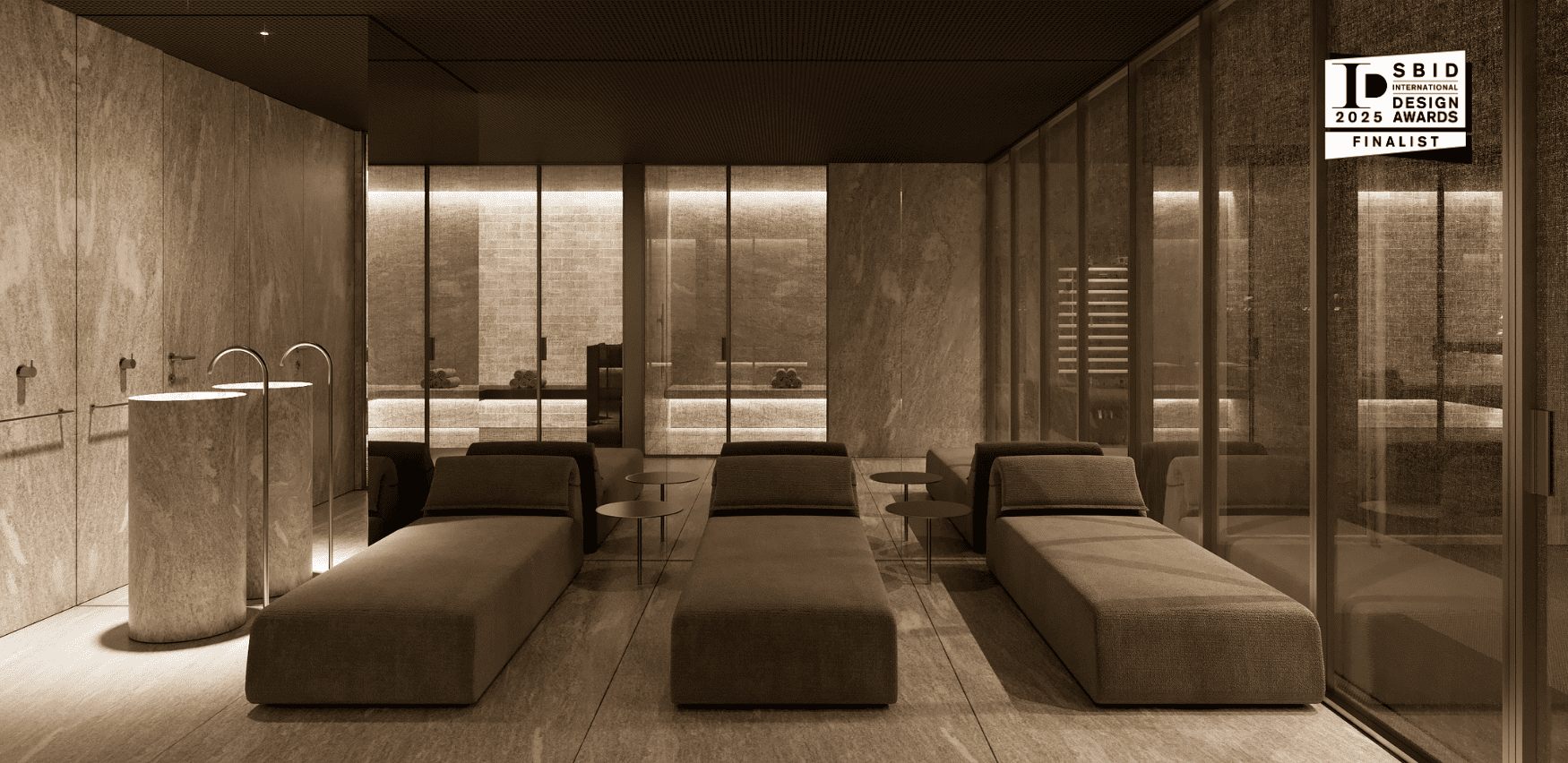
Gstaad Wellness Complex — a minimalist spa articulated around Vals stone, walnut and brass.
Connection to Nature: Villas, Chalets and Alpine Residences in Switzerland
Perhaps the most defining trend of 2026 is precisely this: a deep desire to reconnect with nature. This is not a new aesthetic—it is a new way of living. In Switzerland, this is particularly evident in the growing popularity of lakeside villas, Alpine chalets and mountain retreats.
Biophilic design — the conscious integration of natural elements into interior architecture — is no longer an aesthetic bonus. It is a measurable component of wellbeing. Large windows that frame the landscape like living paintings, organic materials that visually extend the outdoor environment, plants integrated into the very structure of rooms, considered natural ventilation — everything works to dissolve the boundary between inside and out.
In a mountain chalet, this translates into generous openings onto the alpine panorama, materials — local solid wood, stone, wool — that echo the surrounding territory, and a spatial organisation that favours natural light throughout the day. In a villa on Lake Geneva, it is the visual and physical continuity between the interior and the garden, the terrace, the water. In both cases, the interior no longer stands apart from nature — it becomes its inhabited extension.
Which Trend Fits Your Project?
Every project is unique — and the 2026 trends do not apply in the same way whether you are designing a bedroom in a high-end apartment, renovating a mountain chalet or conceiving a boutique with a strong identity. The table below offers a quick reading of the main aesthetic directions, key materials and colour palettes by project type. It is not a prescription, but a starting point to inform your thinking.
| Project Type |
2026 Aesthetic |
Key Materials |
Colour Palette |
Ambiance |
|
Residential Villa |
Biophilia · Cosy Minimalism | Natural stone, dark solid wood, smoked glass | Earthy tones, mineral whites, deep blue | Warm, luminous, connected to nature |
|
Mountain Chalet |
Cosy Minimalism · Alpine authenticity |
Local dark wood, slate, wool, natural render |
Deep browns, cream, anthracite |
Enveloping, sensory, tactile |
|
High-End Apartment |
Cosy Minimalism · Neo Deco |
Marble, brass, solid parquet, reeded glass |
Sand tones, warm beige, metallic accents |
Elegant, sophisticated, timeless |
|
Boutique / Retail |
Neo Deco · Identity-driven design |
Brass, coloured marble, velvet, polished concrete |
Teal, matte black, patinated gold, plum, burgundy |
Strong visual identity, memorable |
|
Hotel / Restaurant |
Sensory design · Biophilia |
Textured wood, stone, natural textile, leather |
Deep blues, ochre, chocolate brown |
Immersive, narrative atmosphere |
| Spa & Wellness | Biophilia · Sensory minimalism | Stone, light wood, reeded glass, linen, soft textures | Warm beiges, muted greens, ethereal white | Restorative, soft, connected to nature |
| Premium Offices | Cosy Minimalism · Hybrid spaces | Wood, matte metal, polished concrete, acoustic panels | Warm grey, sage green, off-white | Comfortable, functional, stimulating |
Not sure where your project sits yet? That is often the case at the beginning of a design process. The right aesthetic always emerges from a dialogue between your aspirations, the constraints of the space, and the expertise of a professional able to bring them into alignment. This is precisely what we do at Craft & Concept from the very first meeting with a client.
How Craft & Concept Integrates These Trends
From Concept to Completion: a Method That Never Sacrifices Aesthetics
It’s easy to be inspired by a trend you see on screen. But bringing it to life in the real world — taking into account structural constraints, budget, deadlines and Swiss regulatury requirements — is quite another matter. It is here that the difference between an ordinary supplier and a leading architecture and design firm becomes truly evident.
At Craft & Concept, we work according to the SIA phases — from strategic definition through to works completion — maintaining absolute coherence between the initial vision and the final result. This means that the aesthetic decisions made during the preliminary design phase are not diluted during execution. Every material selected, every finishing detail, every chromatic nuance is documented, costed and monitored.
Our dual structure — a Swiss front office for project management and client relations, and a European back office for design, sourcing and logistics — gives us access to exceptional materials and technical solutions at competitive conditions, without ever compromising on quality of execution. The bespoke furniture we design for each project is a direct illustration of this: every piece is conceived for the precise space it occupies, not adapted from a catalogue.
Specific Examples Based on Our Projects: Huit Sushi, Villa Founex, Chalets Veysonnaz
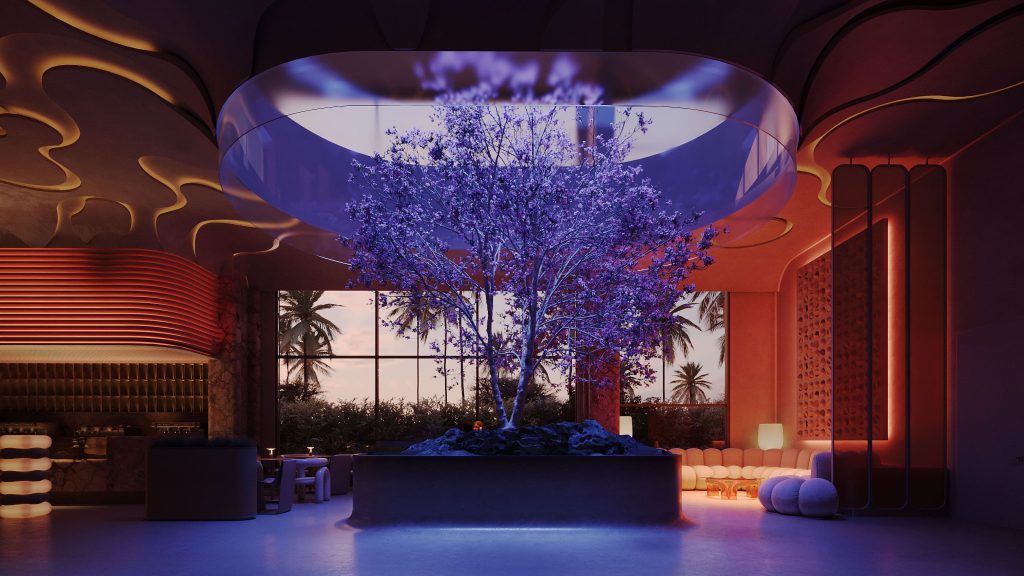
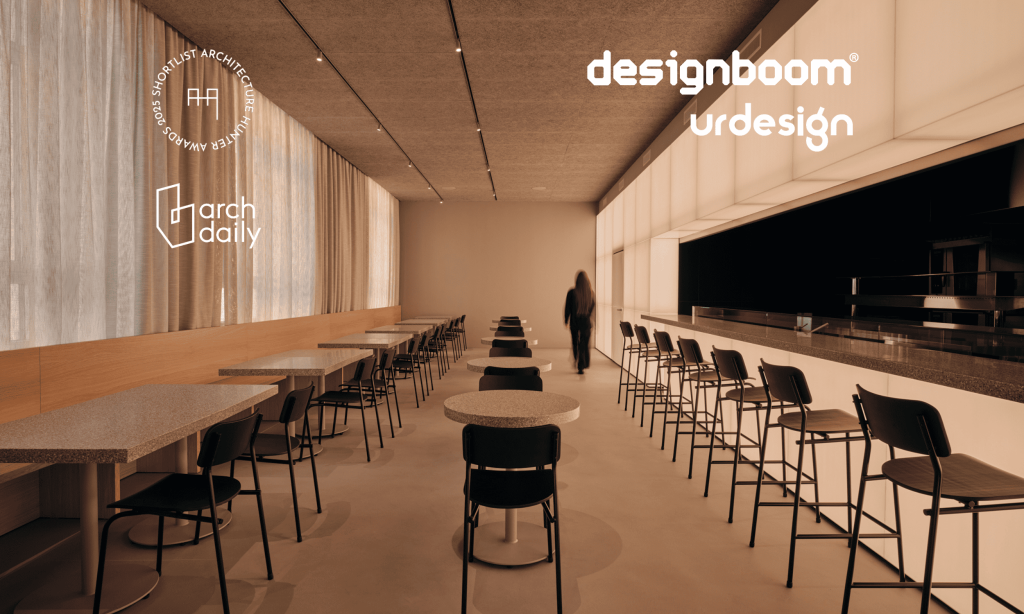
Huit Sushi, Montreux — sensory design that enhances the gastronomic experience
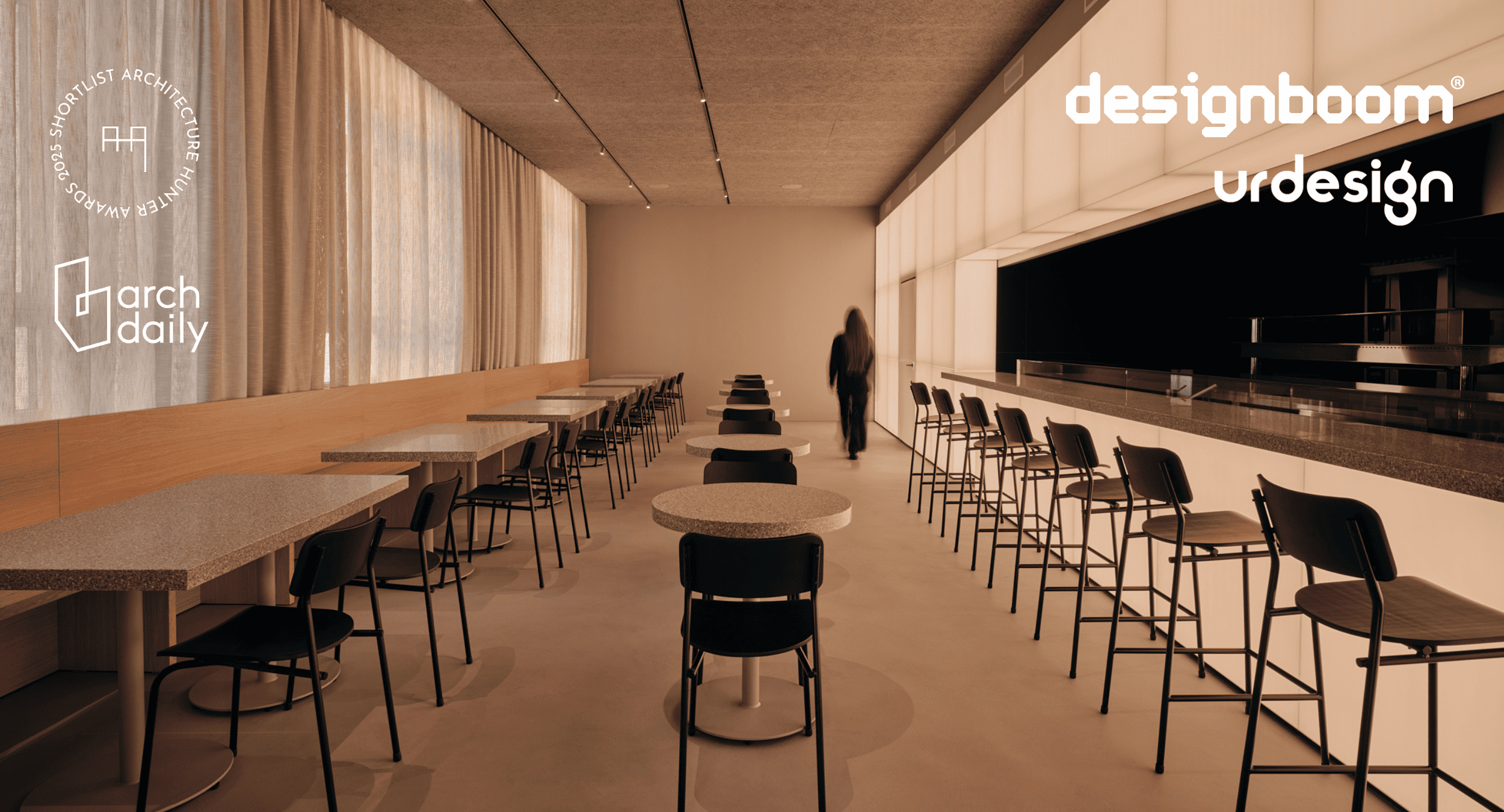
Huit Sushi in Montreux is a compelling illustration of sensory design applied to high-end dining. Textured surfaces, a warm palette and a strong visual identity — every element contributes to an atmosphere that is integral to the gastronomic experience itself. Lighting plays a central role: a modular LED system allows the luminous atmosphere to adapt throughout the day and across services, naturally accompanying the rhythm of guests and reinforcing the character of the space. It is a concrete example of how light, carefully considered from the design phase, becomes a material in its own right.
Villa Founex — biophilia, wellbeing and connection to the landscape
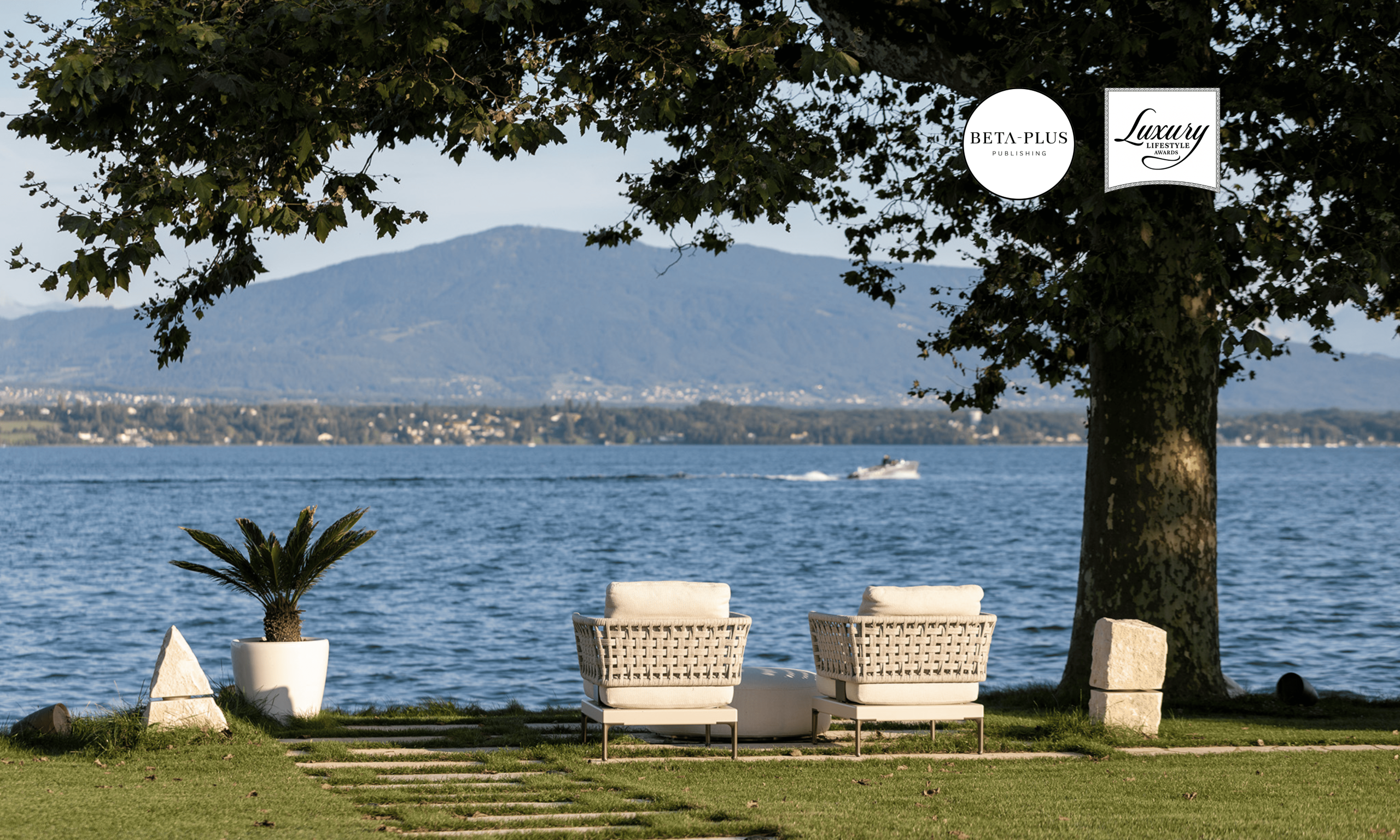
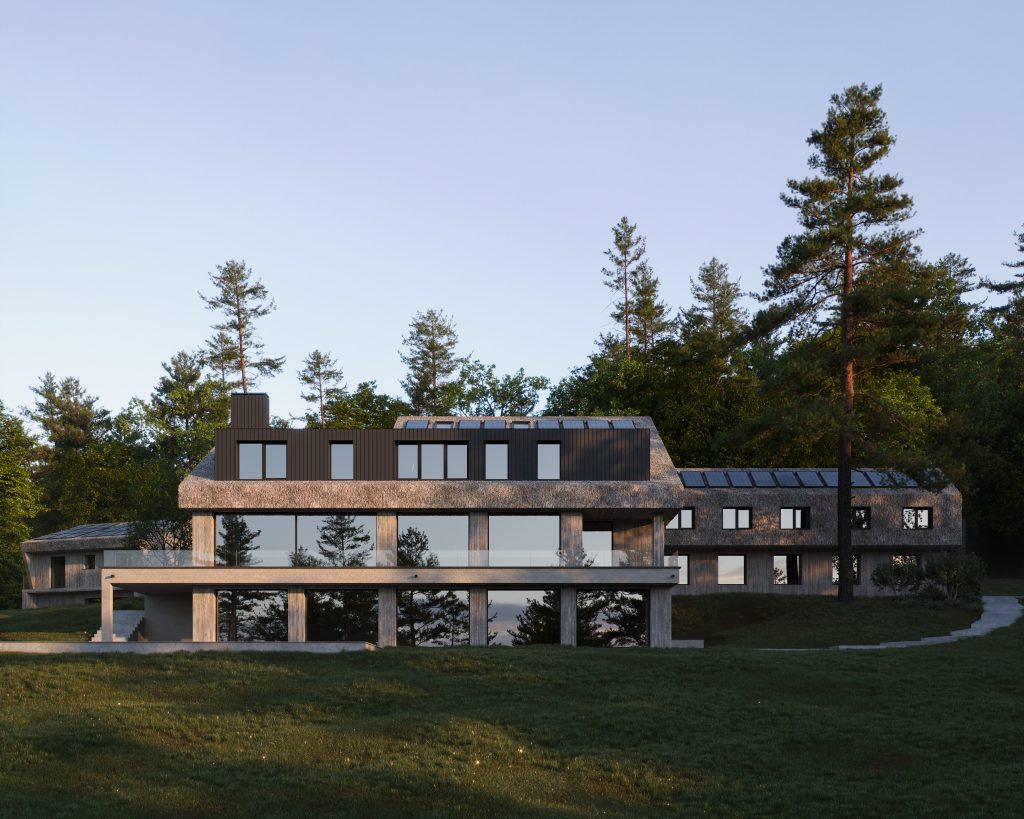
Villa Founex, on the shores of Lake Geneva, embodies several of the major 2026 trends simultaneously. Biophilic design is considered holistically here: panoramic windows that frame the lake and the surrounding landscape like living paintings, natural materials — stone, wood, glass — orchestrated to create visual continuity between interior and exterior, and bespoke furniture conceived specifically for each space in constant dialogue with light and views.
The villa also integrates several spaces dedicated to wellbeing — spa areas, rest zones — that echo the strong 2026 trend of interiors as places of restoration. Every room was conceived not only to be beautiful, but to actively support the physical and mental comfort of those who inhabit it. That is the very definition of high-end interior design in 2026.
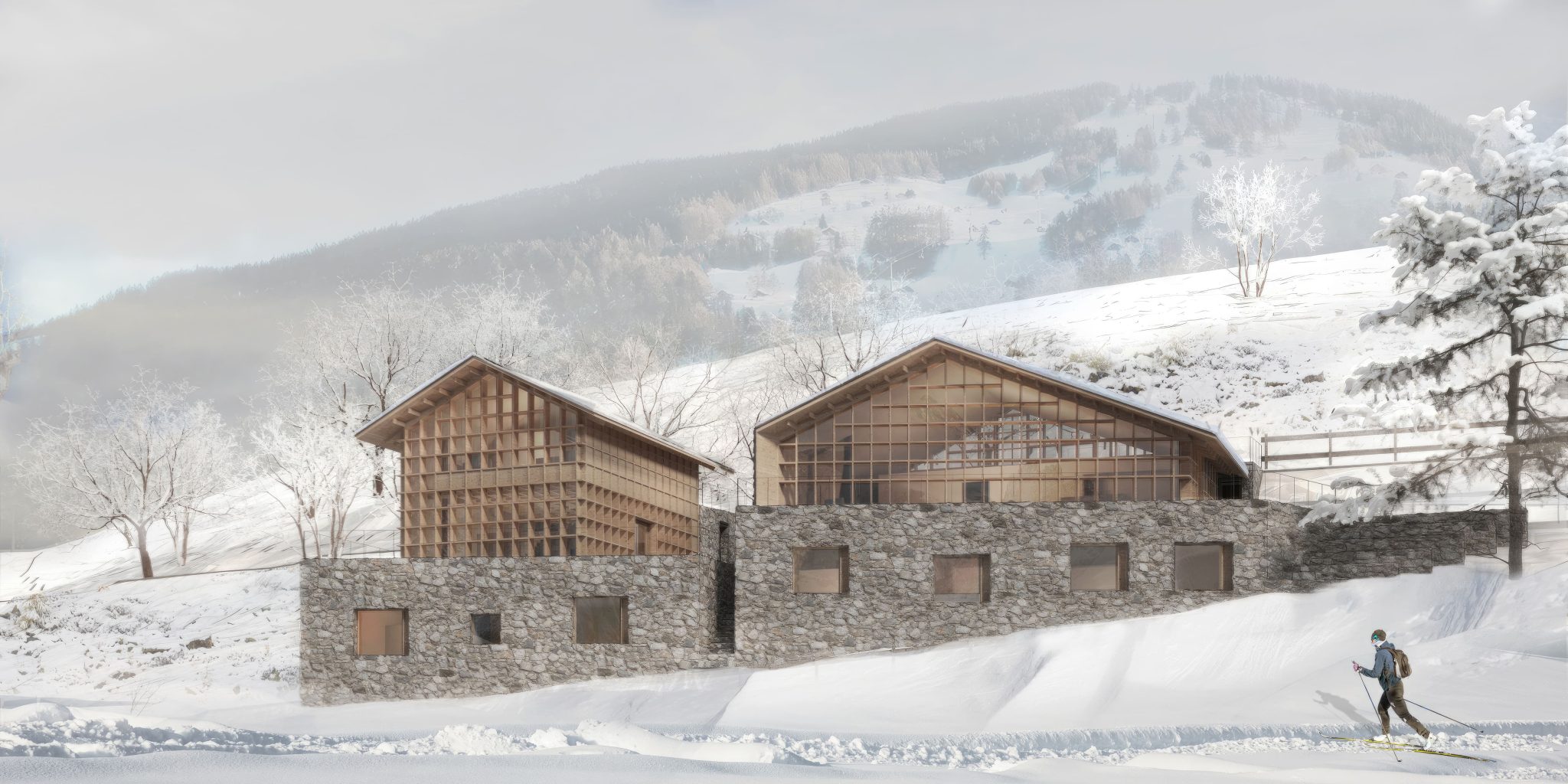
Chalets Veysonnaz — alpine authenticity and dialogue with the mountain
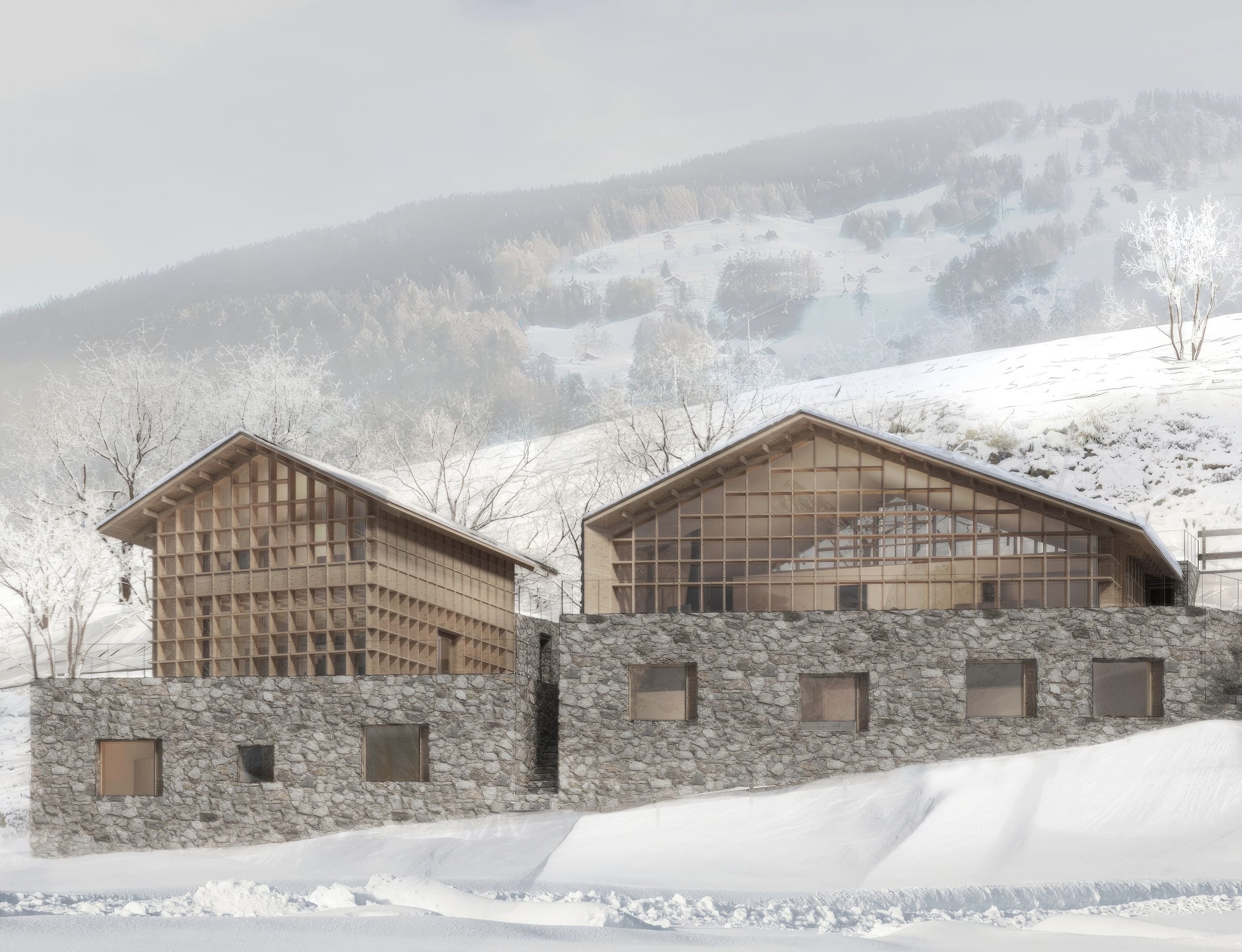
The Veysonnaz chalet project illustrates another dimension of our approach: the ability to preserve and elevate what makes a place distinctive, rather than erasing it in favour of a generic aesthetic. The connection to the alpine panorama was placed at the heart of the design — openings are positioned to capture mountain views at every moment of the day, and the materials chosen — local solid wood, stone, natural renders — echo the surrounding territory.
An exposed beam structure was integrated not as a decorative gesture, but as a technical response to a real constraint: shielding the living spaces from intense sunlight while preserving visual transparency towards the exterior. This is precisely the kind of solution that only a holistic approach — thinking architecture, interior design and technical execution together — makes possible. And it is exactly what the SIA methodology, rigorously applied, enables.
Interior Design in 2026: Where to Begin?
The trends we have explored in this article are not instructions to be followed to the letter. Rather, they are signals—indicators of what is currently in demand and what unites this year’s most successful interiors. The key is how you can adapt them to your own space, your lifestyle, and what you wish to convey through your interior design.
The first step is not to choose a colour or a material. It is to have an honest conversation about your objectives, your budget and your vision. That is exactly what we do at Craft & Concept from the strategic definition phase — before a single aesthetic decision is made, before costs begin to accumulate.
Have a project in mind? Get in touch with our team to discuss it — no commitment required.